


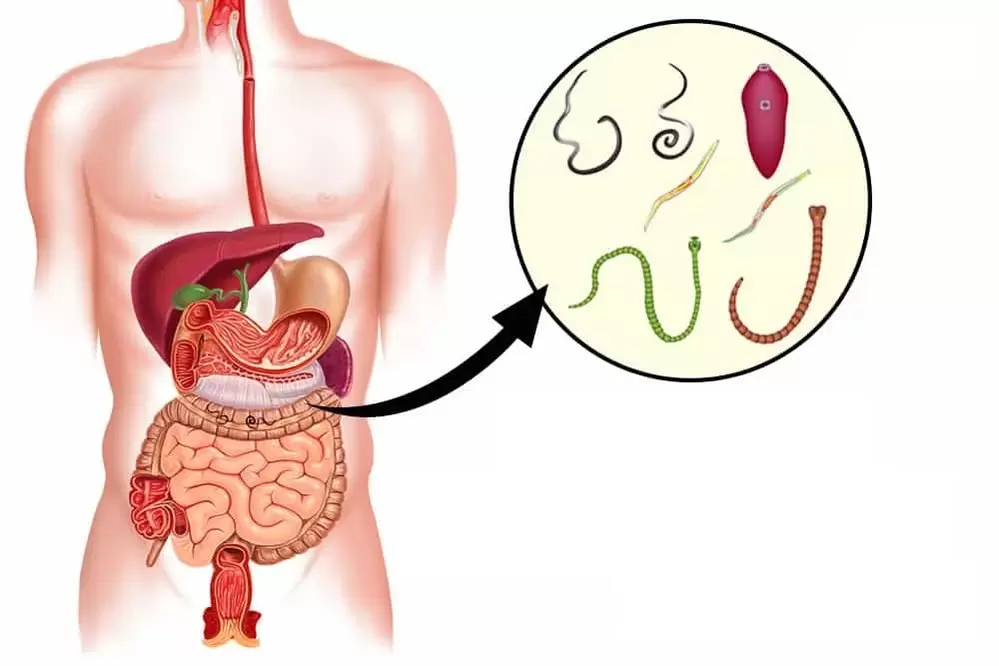
Worms are parasitic worms that live in the human body or the body of an animal.They have a negative effect on the whole body or a certain organ and have a devastating effect on health.
Reasons
The disease manifests itself in different ways.This is influenced by the type of worms, where they are found in the body and how many there are.Helminthiasis is often characterized by weight loss, physical weakness, dizziness and excessive irritability.If the worms settle in the intestines, this is accompanied by constipation, diarrhea, nausea and vomiting.
With parasitism in the liver - a yellow tint of the skin and swelling;if in the lungs - the appearance of cough and runny nose.Any type of illness reduces activity and performance.As for children, there may be disturbances in the child's mental and physical development, growth retardation, puberty and memory disorders.This disease is triggered when helminth eggs enter the human body.We can get infected with them through dirty fruits and vegetables, undercooked meat and fish, and the most common is unwashed hands.
Symptoms
Depending on the type, humans can become infected with worms if they eat poorly cooked animal meat contaminated with eggs or larvae, or if the eggs and larvae that develop in the soil enter the human body.Here they develop into adults.
The number of worms in a human body with an advanced disease can be very high.Adult worms and their eggs can leave the human body together with the excrement, which is the main sign in recognizing the causes of the disease.In addition, there are more complex diagnostic methods based on blood tests, sputum tests, etc.based on which they are carried out in healthcare facilities.In cases infected with worms, the following may occur:
- general malaise and weakness;
- fatigue, increased or decreased appetite;
- nausea, vomiting, sharp abdominal pain, rapid weight loss;
- diarrhea with the release of worms in the feces;
- itching sensation in the anal area;
- sleep disorders.
Diagnostics
To determine the treatment of worms, the pediatrician prescribes:
- general stool analysis;
- general blood test;
- x-ray examination of the intestines;
- skin scraping from the perianal area.
The most common worms in humans are: roundworms, roundworms, which are related to roundworms, and various types of tapeworms (tapeworms), which are related to roundworms (tapeworms).The main sources of infection are dirty hands, unwashed vegetables and fruits, untested products, contaminated water and flies.
Treatment
Treatment for worms includes:
- antiparasitic drugs;
- sorbents;
- enzymes;
- immunomodulators;
- hepatoprotectors.
If you do not determine in time how to get rid of worms, there is a risk of complications:
- jaundice;
- ileus;
- pancreatitis;
- purulent skin lesions;
- anemia.
Prevention
To prevent infection and the spread of roundworms, follow personal hygiene rules, wash hands, vegetables and fruits thoroughly, and keep the toilet clean.In order not to encounter the problem of removing worms in the future, we recommend:
- observe the rules of personal hygiene;
- wash food thoroughly before eating;
- perform the necessary heat treatment of meat, fish and seafood before consumption;
- supervise children during play (do not put objects from the floor into their mouths).